The human microbiome consists of trillions of microorganisms and bacteria cells that play a vital role in the maintenance of our health. To this day, scientists are still discovering specific aspects of our microbiota and the effects that certain microorganisms have on our body systems. Normal microbiota plays a large role in disease prevention, food degradation, and immune system development. Studies showed that there are probably around 1,000-1,150 bacteria existing in the human colon. Of these 1,000 bacteria cells, most of the microbiome show a favorable symbiotic relationship with the host. However, when imbalances occur in our bodies causing the microbiome composition and function to be perturbed, it will be increasingly linked to various conditions and diseases including cancers, obesity, metabolic diseases, diabetes, allergies, depression, and disorders in the immune system.
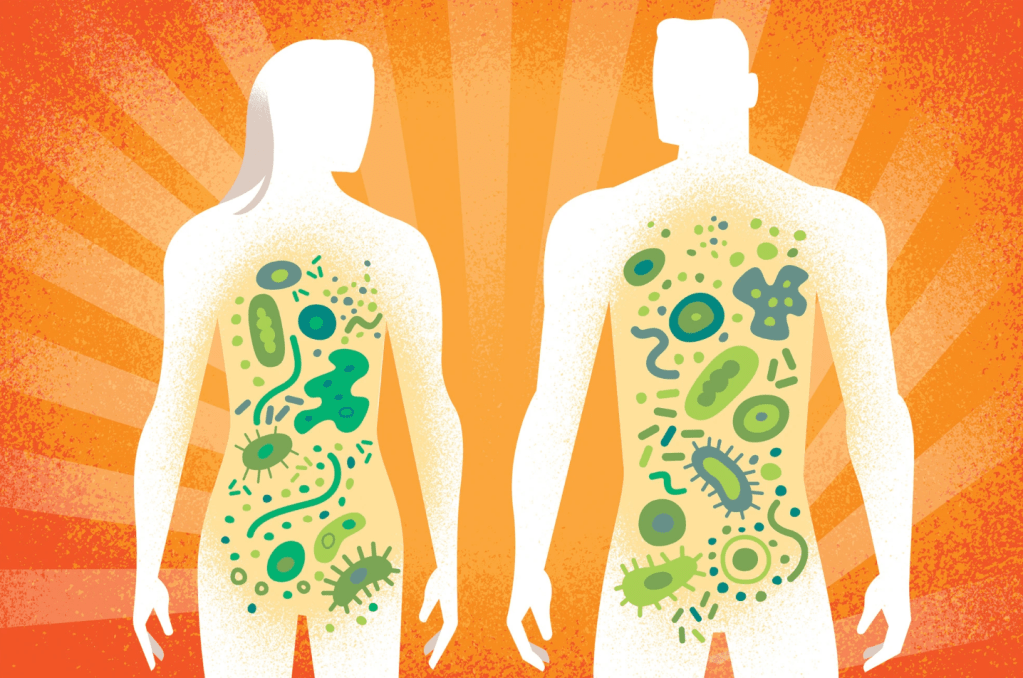
According to Fanli Kong and Yi Cai, dysbiosis (an imbalance in the microbiome) is related to the development of a variety of diseases such as inflammatory bowel disease (IBD) and colorectal cancer CRC. Gut microbiota is very active and deeply involved in the immune system and the maintenance of intestinal homeostasis and when homeostasis is disrupted, disease progression is thought to begin. They sought to introduce a correlation between gut microbiota and gastrointestinal disease but they concluded that there is still a long way to explore before microbiome-based diagnostics become a routine part of clinical care. As I mentioned earlier, human microbiome research is at the forefront of many scientists’ minds because of the lack of knowledge we have worldwide. Microbiota research could completely change 21st-century medicine and disease treatment.
Another interesting study focuses on the oral microbiome of early stage Parkinson’s disease and its relationship with functional measures of motor and non-motor function. The causes of Parkinson’s disease (PD) are still heavily under scientific speculation and as of 2020, some scientists are theorizing that human oral microbiota may play a role in nerve damage that occurs in prodromal phases of PD. Imbalances in oral microbiota are now thought to precede the motor impairment that occurs in Parkinson’s disease. I’ll say it one more time, research into specific microbiota and it’s disease causing capabilities are still very fresh in the science world. I’m excited to see the progression of human microbiome research throughout my life and hopefully one day we can all witness new treatments and causes of disease that are targeted to our natural microbiota.

 Lauren Page's Blog