For months now, immunologists and researchers have been diligently working on finding a vaccine for the eventual elimination of Covid-19 and the global pandemic. While doing some research this afternoon, I was really shocked at the numbers of vaccine clinical trials that are taking place around the world and even on our campus. One vaccine in particular sticks out to me due to the known criticisms that exist surrounding it and that is Gam-COVID-Vac or Sputnik V. This vaccine was developed by the Gamaleya Research Institute of Epidemiology and Microbiology where it was approved for distribution in Russia (Logunov et al., 2020). Gam-COVID-Vac is a viral two-vector vaccine dependent on the human adenovirus (a typical cold) which fuses with the spike protein of SARS-CoV-2 to elicit an immune response. Knowing that this is a adeno-virus based vaccine we can assume that it acts using the adenovirus to deliver the coronavirus gene to cells which will begin the synthesis of the envelope proteins. So now the immune system is sort of “introduced” to this potential enemy. According to global news sources, Sputnik V induced an antibody response in every participant while also producing no adverse effects (Ring, 2020). He also claims that it produced a T-cell response which as we know, plays a very important role in immunity. This vaccine requires 2 doses over 21 days and when compared to other vaccines that seems pretty reasonable.
In my opinion, the double-blind placebo-controlled study is the most reliable method of research. This methodology is used to prove the effectiveness of a treatment through the use of unknowns in both the experimental and control groups. The “real thing”, the active substance being studied (so in this case the vaccine), is obtained by one group of subjects in these experiments. The other half is given a placebo intended to look like the real thing as much as possible. More specifically, a placebo in this case could involve the injection of a liquid such as saline where the participant is unaware of whether it is the vaccine or not. The trials of Sputnik V were done using the double-blind placebo methodology.
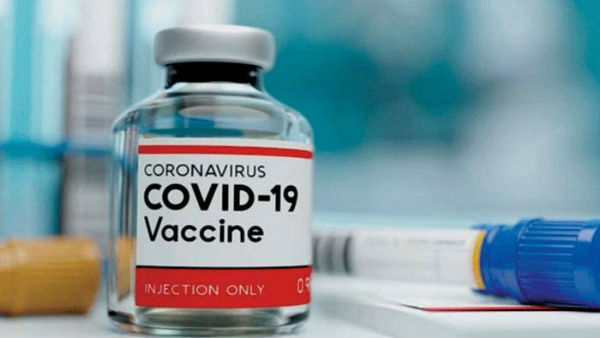
According to nccn.org and Umscheid et. al, the phases of clinical trials begin with phase 0 and end with phase 4. As expected, phase 0 is the first clinical trials done with people and mostly aims to test the safety of the drug and evaluate the ways it affects the body. The goal of phase I research is to find the optimal dosage of a new medication with the least side effects. A select group of 15 to 30 patients will be testing the drug. Phase II clinical trials involve the participation of immunocompromised individuals such as those who are suffering from cancer. Phase III trials equate the standard-of -care treatment with the new drug. These trials analyze each drug’s side effects and compare which drug works better. Lastly, Phase IV trials evaluate FDA-approved experimental medicines in several hundred or thousands of patients, the drug is tested. Phase IV of clinical testing has not been reached in terms of Covid-19 treatment because the FDA is yet to approve a vaccine.
Billions of people around the world are awaiting a vaccine for the Covid-19 and the push for acceleration is stronger now than ever. The Emergency Use Authorization (EUA) allows researchers to provide minimal evidence in terms of specifics regarding their treatment (which could include some very valuable information) (Krause, Gruber, 2020). This would be done to speed up the process of availability to the marketplace. To me, this almost seems like we are lowering our standards in terms of treatment and cutting corners to find an adequate treatment.

 Lauren Page's Blog