Be yourself; Everyone else is already taken.
— Oscar Wilde.
This is the first post on my new blog. I’m just getting this new blog going, so stay tuned for more. Subscribe below to get notified when I post new updates.
Be yourself; Everyone else is already taken.
— Oscar Wilde.
This is the first post on my new blog. I’m just getting this new blog going, so stay tuned for more. Subscribe below to get notified when I post new updates.
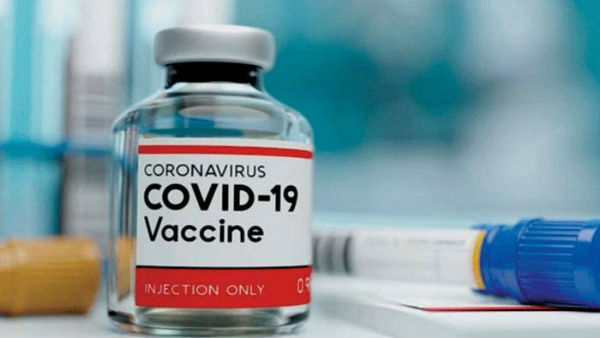
Operation Warp Speed’s (OWS) objective is to manufacture and distribute hundreds of millions of safe and effective COVID-19 vaccines by investing in and organizing countermeasure production, with the initial doses available by January 2021. This initiative is obviously being pushed harder than ever at this time due to the simple fact that everyone is ready for this pandemic to end. According to defense.gov, this week, in light of the principal interim efficacy review performed November 8th by an independent data monitoring committee, Pfizer confirmed its vaccine demonstrated an efficacy rate over 90%. This news suggests that Pfizer is a big step closer to delivering a truly necessary breakthrough to end the worldwide health emergency.

Andrew Wakefield is a British former physician who lost his medical license following his participation in the Lancet MMR autism scam, a 1980’s report that falsely reported a correlation between the measles, mumps, and rubella (MMR) vaccine and autism (). As Dr. Kramer has discussed many times, he became notorious for anti-vaccination activism following this involvement. According to Sathyanarayana and Andrade, the Wakefield study undeniably sparked the worldwide vaccine-autism hysteria and anti-vaccine panic, resulting in a mistrust that still exists today in terms of childhood vaccines. This review was written in response to the retracted piece written by Wakefield and a SHOCKING 12 other researchers who believed and supported his claims. His means of obtaining “control group” results was far from adequate as he only age-matched the participants of his study not holding any other variables constant besides their age and sex. He got his participants from a pediatric gastroenterology unit following claims of developmental and psychiatric problems. There was absolutely bias that existed in this paper beginning with the totally flawed study design. Consequences from this movement are affecting the ways in which individuals are thinking about the future coronavirus vaccine which could have serous health implications if we are trying to achieve herd immunity.
A second piece from the New England Journal of Medicine covered a study involving a cohort of all children born in January 1991 until December 1998 in Denmark. This was selected on the basis of data from the Danish Civil Registration System, which assigns all live-born infants and new residents in Denmark a unique identification number. While designing their control group, Madsen and his colleagues controlled for possible confounders like age, sex, socioeconomic status, gestational age, birth weight, and many other variables. You can already tell that the methodology is much more reliable based on their sample size. Every scientific article includes bias as it is present in even our smallest decisions throughout daily life but when compared to Wakefield’s study it is scientifically much more reliable. In conclusion, EVERYONE, and i mean, EVERYONE should get the COVID-19 vaccine when it is publicly available (Dr. Kramer would also be VERY disappointed in you)
For months now, immunologists and researchers have been diligently working on finding a vaccine for the eventual elimination of Covid-19 and the global pandemic. While doing some research this afternoon, I was really shocked at the numbers of vaccine clinical trials that are taking place around the world and even on our campus. One vaccine in particular sticks out to me due to the known criticisms that exist surrounding it and that is Gam-COVID-Vac or Sputnik V. This vaccine was developed by the Gamaleya Research Institute of Epidemiology and Microbiology where it was approved for distribution in Russia (Logunov et al., 2020). Gam-COVID-Vac is a viral two-vector vaccine dependent on the human adenovirus (a typical cold) which fuses with the spike protein of SARS-CoV-2 to elicit an immune response. Knowing that this is a adeno-virus based vaccine we can assume that it acts using the adenovirus to deliver the coronavirus gene to cells which will begin the synthesis of the envelope proteins. So now the immune system is sort of “introduced” to this potential enemy. According to global news sources, Sputnik V induced an antibody response in every participant while also producing no adverse effects (Ring, 2020). He also claims that it produced a T-cell response which as we know, plays a very important role in immunity. This vaccine requires 2 doses over 21 days and when compared to other vaccines that seems pretty reasonable.
In my opinion, the double-blind placebo-controlled study is the most reliable method of research. This methodology is used to prove the effectiveness of a treatment through the use of unknowns in both the experimental and control groups. The “real thing”, the active substance being studied (so in this case the vaccine), is obtained by one group of subjects in these experiments. The other half is given a placebo intended to look like the real thing as much as possible. More specifically, a placebo in this case could involve the injection of a liquid such as saline where the participant is unaware of whether it is the vaccine or not. The trials of Sputnik V were done using the double-blind placebo methodology.
According to nccn.org and Umscheid et. al, the phases of clinical trials begin with phase 0 and end with phase 4. As expected, phase 0 is the first clinical trials done with people and mostly aims to test the safety of the drug and evaluate the ways it affects the body. The goal of phase I research is to find the optimal dosage of a new medication with the least side effects. A select group of 15 to 30 patients will be testing the drug. Phase II clinical trials involve the participation of immunocompromised individuals such as those who are suffering from cancer. Phase III trials equate the standard-of -care treatment with the new drug. These trials analyze each drug’s side effects and compare which drug works better. Lastly, Phase IV trials evaluate FDA-approved experimental medicines in several hundred or thousands of patients, the drug is tested. Phase IV of clinical testing has not been reached in terms of Covid-19 treatment because the FDA is yet to approve a vaccine.
Billions of people around the world are awaiting a vaccine for the Covid-19 and the push for acceleration is stronger now than ever. The Emergency Use Authorization (EUA) allows researchers to provide minimal evidence in terms of specifics regarding their treatment (which could include some very valuable information) (Krause, Gruber, 2020). This would be done to speed up the process of availability to the marketplace. To me, this almost seems like we are lowering our standards in terms of treatment and cutting corners to find an adequate treatment.
Monoclonal antibodies are laboratory-produced molecules designed to act as replacement antibodies that can restore, strengthen or imitate the attack on harmful cells by the immune system. Within the last few months, researchers have proposed that injecting these antibodies into patients infected with Coronavirus could help treat them. They are engineered to bind to antigens that are usually more numerous than healthy cells on the surface of cancer cells. The process of making monoclonal antibodies is incredibly interesting and can be broken down into a few steps. First, a lab animal is immunized with whatever agent is being studied (antigen X). This is done to activate the proliferation of certain B cells. Now, these B cells are able to make antigen-X specific antibodies (but unfortunately, as we know, these cells die after a few generations). Next, we introduce myeloma cells which divide and an abnormal indefinite rate and are fused with the isolated B cells. The result of mixing the myeloma and B cells is a product called a hybridoma. These cells have critical abilities including the supplying of genes for antibody production and the cellular machinery for making proliferating antibodies (Parray et al., 2020).
Earlier this month, President Donald Trump was infected with COVID-19 and was given REGN-COV2 which was obtained from Regeneron Pharmaceuticals. This experimental drug is being referred to as an “antibody cocktail” that consists of two monoclonal antibodies (REGN10933 and REGN10987) (Matthews, 2020). As President Trump was receiving his treatment, it flooded the news that his COVID-19 treatment was developed using cells that were originally drawn from fetal tissue. According to ScienceMag.org, the antibodies used in President Trump’s treatment were a long-lived line of cells that originated from fetal kidneys from around 1972. Essentially, researchers took antibody-producing B-cells from people who were already sick, cloned the sequences of antibodies from individual B-cells, and then extended them to enormous amounts, to the point that in the laboratory you have vast quantities of these antibodies in a purified form.
As we expect, this treatment is still in the very early stages of development so some long-term effects remain unknown for now. What was know now is that REGN-COV2 works by binding to the receptor-binding domain (RBD) of the virus’s spike protein. Doing this reduces the ability of the virus to escape treatment (Matthews, 2020). His own immune system will not have the ability to produce these antibodies on its own due to its unnatural nature and synthetic creation. The purpose of the drug is to slow the progression, speed up the recovery, and decrease the transmission of the Coronavirus. I’ve mentioned this in past blogs but its crazy to consider the fact that we are living through history right now. This is something our world hasn’t experienced in decades and we all have a front row seat to ground-making moments in our history. I’m excited to follow the progression of the experimental REGN-COV2 coronavirus treatment and am very curious if the creation of monoclonal antibodies will be the answer to all of this.
The movie Contagion was released in 2011 and follows the events that unfold surrounding a worldwide pandemic as healthcare professionals rush to seek a cure. Watching this movie in 2020 almost leaves you speechless as this fictional film has suddenly become a very scary reality. An incredible number of similarities exist between Contagion and the state of our world. Just to list a few; the virus originated in an Asian nation, transmission occurred incredibly quickly especially through travel, a zoonotic origin, chaos as stores are closing down, and this list goes on (Vasanthi, 2020). It almost seems as if this movie was a glimpse into the future for viewers in 2011 and if this movie were real life, I think it’s only about halfway over. The most notable difference I recall while watching this movie is that the Contagion global pandemic lasted for about 2 hours whereas this one has lasted for officially 221 days.

The main character, Beth, goes away on business to Beijing and (you don’t know until the very end but) she shakes hands with the chef at a casino who was working with a pig and he didn’t wash his hands. Beth is at the airport in China making her way to Minneapolis and connects through Chicago and when she arrives home she collapses eating at the counter and starts foaming at the mouth where she ends up passing away. Her husband, Mitch, has to quarantine because of this and their son had already been dropped off at school and exposed so he spread it to the school. Meanwhile, it’s spreading around Beijing and many other places because of people flying (this thing is fatal for everyone). Their son also ends up passing away later that day but Mitch, for some reason, is the only person immune. The CDC starts working on a vaccine but the media is crazy and everything is shutting down. Grocery stores and pharmacies are being raided for something called forsythia which this radical blogger advertised himself “getting better” with this drug but it’s not approved and they’re still doing testing. Eventually a vaccine comes out and a few more crazy events unfold but in the end, all is well and the vaccine is released.
In Contagion, you eventually find out that the virus contained strains from pigs and bats because the pigs were being kept and processed where there were a ton of bats who either pooped or spit on the pigs food which they ate. So many unknowns remain in terms of the origin of COVID-19 but according to Hayat Ouassou and his colleagues, it is highly speculated that the origin of this virus is zoonotic in natures and comes from either bats, seafood, or pangolins. In the movie Contagion, researchers were able to discover very particular events and areas that led to the transmission of this virus and it would be incredible if one day we had answers like this regarding the Coronavirus. Another important similarity is like Covid-19, MEV-1 (the virus in the film) is a respiratory disease borne by expelled saliva droplets from sneezing or coughing or other secretions. When those droplets hit the eyes, nose or mouth of an uninfected person, they spread directly between individuals. The film virus is spread by fomites, or surfaces that have been infected with contaminants after they are contacted by sick humans. I really enjoyed this movie and am honestly shocked that I had never seen it before. I’m sure in light of our current situation, many people watched this movie while in lockdown.
Without a doubt, antibiotics are one of the greatest advancements ever in medicine. They are used to fight hundreds of infections caused by bacteria in humans and animals. It seems like nothing can go wrong here, right? Wrong. Overprescribing antibiotics has caused bacteria to develop in ways that do not respond to treatment. The bacteria itself becomes antibiotic-resistant making infections harder to treat than those caused by non-resistant bacteria. With rising antibiotic-resistance in our world we have seen increased mortality, higher medical costs, and prolonged hospital stays (WHO, Antibiotic resistance 2020). The issue of antibiotic-resistance is on the forefront of researchers minds because we are discovering new resistance mechanisms that are spreading globally.
Aastha Chokshi and her colleagues examined key political and socioeconomic factors that may drive antibiotic-resistance in the present-day world. I found this study incredibly interesting because these researchers studied the differences in health-care treatment, availability, and quality across developed and developing countries. After studying several areas from different areas across the world, Chokshi concluded that developing countries contribute to antibiotic-resistance in a unique way when compared to developed countries. They found that some main contributors to antibiotic-resistance in developing countries include low quality of available antibiotics, clinical misuse, ease of availability, and poor surveillance of drug use. An overlap between developing and developed countries was seen in issues such as self-medication and a lack of regulation while taking antibiotics. I found this study so captivating because although I knew the size and severity of the antibiotic-resistance issue, I had never considered socioeconomic factors and the ways in which the play into the progression of resistance.

As I’m sure we’ve heard before, COVID-19 is a new infectious disease that has swept the globe causing us to currently be experiencing this pandemic. Interestingly enough, antibiotic/antimicrobial resistance is also considered a pandemic but in its own nature with very slow progression and established knowledge on this topic. There is a multitude of road-blocks in terms of stopping these two pandemics. So far, the treatment of COVID-19 has involved the trials of old, new, and even combined forms of medicines already used to treat other infections and with this being said we are very unsure of how this virus reacts to these medications. According to Robby Niewlaat and his colleagues, there is an overlap between the most prevalent SARS-CoV-2 symptoms and seen following the overuse of antibiotics. This issue could slow the treatment of COVID-19 and may only drive antimicrobial-resistance further. I look forward to future research involving the interactions of the Coronavirus and antibiotic-resistance because a strong overlap such as this could one day lead to answers regarding the slowing of the progression of this virus and maybe one day help us find a treatment.
CRISPR-Cas9 is a unique innovation that enables geneticists and clinical analysts to alter portions of the genome by eliminating, adding, or modifying areas of the DNA succession. It is currently the least difficult, most adaptable and precise technique for genetic control and, as expected, is causing a buzz in the science world. Scientists Jennifer Doudna and Emmaneulle Charpentier discuss the two key components needed to induce the change in DNA sequences which are the enzyme Cas9 and a piece of RNA called guide RNA (gRNA). So far CRISPR’s greatest effect has been felt in basic science labs. This low-cost gene editor is considered very simple to utilize. This innovation has made it possible for scientists to dive into the essential mysteries of life. Furthermore, they can do it in manners that used to be troublesome if not impossible. We’re discussing a ground-breaking new tool to control which qualities get expressed in plants, animals, and even US; the capacity to erase undesirable traits and, potentially, add desirable characteristics with more accuracy than any time in recent memory.
According to Sehrish Khan and his colleagues, CRISPR-Cas9 has a great deal of potential as an instrument for treating a scope of medical conditions that have a genetic component, including cancer, hepatitis B or even high cholesterol. One obvious limitation with using CRISPR-Cas9 as a potential treatment for a disease such as cancer is the newness of the technology. There are still many unknowns in terms of the outcomes and abilities of this process and using it to treat immunocompromised or ill individuals could have many adverse effects. The research done by Khan and his team included a break down of the role of CRISPR-Cas9 in cancer modeling which I have put below.

As you can see above, an incredible amount of research is going into the specific treatment of different types of cancer. One very obvious benefit for using CRISPR-Cas9 as a treatment for cancer is the fact that after decades of new technology we still have not found a complete cure. Although CRISPR-Cas9 may not be the end all be all in terms of cancer treatment, I believe it is definitely a step in the right direction.
Now let’s get into the exciting stuff. IF I had the choice, do I want my child to have blue eyes? Be taller or more muscular? Would I even want to have this amount of control? Interestingly enough, my senior year capstone project involved discussing and presenting the implications of gene editing. This argument is one that involves a lot of thinking and ethical reasoning but I came to the conclusion that technology such as this should be used in situations where any mental, medical, or physical health ailment is indicated. With this conclusion in mind, I do not consider cosmetic alterations to be significant enough for this sort of procedure. I believe that if cosmetic changes like eye color and heigh were allowed then humans would all slowly evolve to look the same or at least much more similar. Thinking positively, I would say that with many more years of innovation and technology creation maybe one day we could cure ALL genetically associated diseases BUT I think I may miss this event by a few centuries. CRISPR-Cas9 is a novel, fascinating, and extraordinary addition to the science community and I hope to only see technology such as this progress and expand to a larger sphere.
Hello! My name is Lauren and I’m a senior studying Psychology and Biology. I grew up in Charlotte, NC with my mom, dad, stepdad, and younger brother. Quick side note, my brother (15 years old) has grown 8 inches within the last 5 months so I’m terrified of him and puberty. I love my family, friends, and my dogs of course. My golden retriever, Easton, is 2 years old and although my mom isn’t aware of it yet, I plan on abducting Easton from Charlotte and keeping him with me when I graduate from PA school. My time here at Carolina is something that has changed my life forever and I am in disbelief that I only have 2 semesters left.
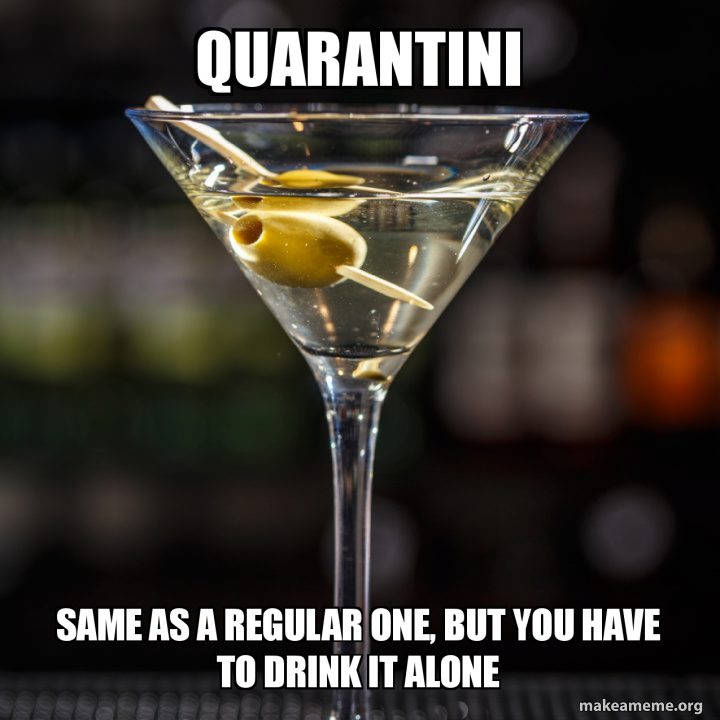
Quarantine life has been an interesting one so far. I’ve been sitting in my house in Charlotte, NC for 14 days now and I’ve realized a lot of things about myself and my family. First of all, my younger brother Coleson (14) has the most severe video game addiction I have ever seen. The hours he spends not playing video games there is a 100% chance he is on his phone. On day 9 we had a conversation that lasted for maybe five minutes, haven’t seen him since. My sweet mom who might be more bored than any of us has taken up new hobbies such as singing (terribly), puzzles, self-taught guitar lessons, and even cooking! Long story short, I hate all of her new hobbies but time flies when you’re having fun so I hope this is fun for her (it certainly isn’t for her children). Lastly, I’ve realized how much food I eat when I’m trapped in a house full of fruit roll-ups, cosmic brownies, pizza rolls, and chocolate ice cream. I’ve also never been so tempted to try self-dying my hair since my hairdresser will be closed for weeks. My family got a puppy about three weeks ago so I am super thankful that I get to watch my little buddy grow up.
A quick list of things that help to calm my insanity:

As we know, COVID-19 has caused the cancellation/postponing of many important events. I understand why March Madness had to be cancelled but I’m also slightly convinced the NCAA knew that March wouldn’t be the same without UNC in the tournament so they wanted us to try again next year. The only things open around my house are fast food/takeout restaurants, Harris Teeter’s, pharmacies, and golf courses. I’m worried about those who are out of work and without pay. I’m worried about how long we will have to isolate ourselves. I’m worried about healthcare and emergency service providers. I’m worried about the undeniable further spread of this virus. Though this is out of our control, I just hope people around the world start taking social distancing seriously. Staying positive in times like this is very difficult but feeling supported helps ease the anxiousness.
With regards to online schooling, I haven’t felt this overwhelmed in a long time. I really like operating on a set schedule and since being at home, my schedule is completely thrown off. Each week brings new/different assignment for each of my classes and there is always this feeling that I’ve forgotten to do something. I know every student in North Carolina is in the same boat so hopefully as the weeks go on we are able to better adapt to this new way of learning. Unfortunately, yesterday evening my grandfather was admitted to the hospital following what they believe was a stroke. He has a brain bleed in two areas so he has been undergoing constant scans hoping that there isn’t a brain tumor. I am especially worried about the things that he is being exposed to in the hospital so we’ve been praying for a speedy recovery. The timing of this event couldn’t be worse but with thoughts and prayers from our friends and families we know that we can fight any battle.
Syphilis is a sexually transmitted disease that is caused by Treponema pallidum. T. pallidum is a slender, highly motile spirochete (interesting side note – this bacterium cannot be seen using a Gram stain). It infects the genital area, lips, mouth, or anus of both men and women. Syphilis is usually spread through sexual contact with someone who is already infected. There are many clinical stages of the syphilis infection and these include primary, secondary, latent, and tertiary syphilis. T. pallidum easily infects mucous membranes and damaged skin cells therefore, the ID50 for this bacterium is very low (less than 100 cells). Most primary syphilis infections are characterized by painless red ulcers called chancres. Due to the painless nature of these chancres, many times this infection goes unnoticed. Symptoms seem to worsen as the infection progresses so receiving treatment as soon as possible is very important regarding syphilis infections.
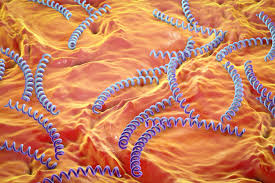
Ghanem and his colleagues, who wrote The Modern Epidemic of Syphilis, conducted longitudinal studies following the rates of syphilis infections around the world. These researchers noted very important findings in terms of the epidemiology and transmission of this disease, for example, they noted that in 2018, men accounted for 86% of all patients with syphilis and more than half of men with incident syphilis reported having sex with men. Ghanem and his colleagues highlight the more recent syphilis epidemic in the United States that is affecting heterosexual men and women. They also noted that “between 2014 and 2018, the rates of primary and secondary syphilis among women have more than doubled”. Facts such as these should instill fear in all of the readers because this current epidemic is something I haven’t heard anything about (not even in the media). Though not much attention is being drawn to this subject with our current state of pandemic pandemonium, these researchers suggest that vaccine research for syphilis be intensified and studied more vigorously now more than ever.
Sexually acquired syphilis, an article written by Dr. Forrestel and her colleagues focuses on current treatment and prevention methods for primary syphilis infections. Luckily, primary and secondary syphilis are easily treated with an antibiotic like a penicillin. One issue arises with the treatment of tertiary syphilis, where the bacterium are no longer actively dividing (penicillin loves actively dividing bacteria). For patients with tertiary syphilis infections, large doses of intravenous penicillin are given. Dr. Forrestel and her fellow researchers believe that it will take the efforts of many people in many different fields including dermatologists, epidemiologists, immunologists, and many others to control the spread of syphilis. Prevention involves the AMC’s of prevention which is common among many sexually transmitted diseases so, in order to fully control the spread of syphilis, further actions need to be taken.
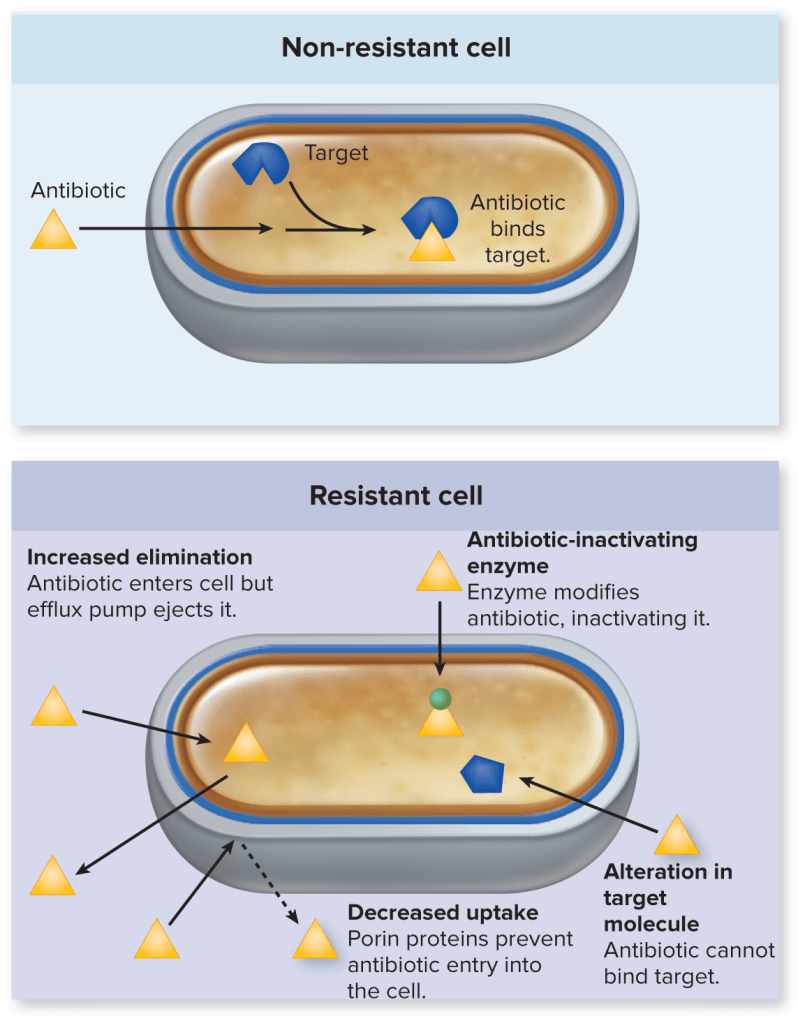
Microorganisms are continually evolving, which allows pathogens to develop resistance to certain available antimicrobial medications and because of this scientists are constantly creating new versions. According to Brinda and her colleagues, there are multiple mechanisms of acquired resistance which include antibiotic-inactivating enzymes, alteration in the target molecule, increased elimination of the medication, and decreased uptake of the medication. Through these mechanisms, the prevalence of antibiotic resistant organisms is steadily rising and individuals around the world are alarmed because of the implications that could follow including impacts on the cost, complications, and outcomes of treatment.
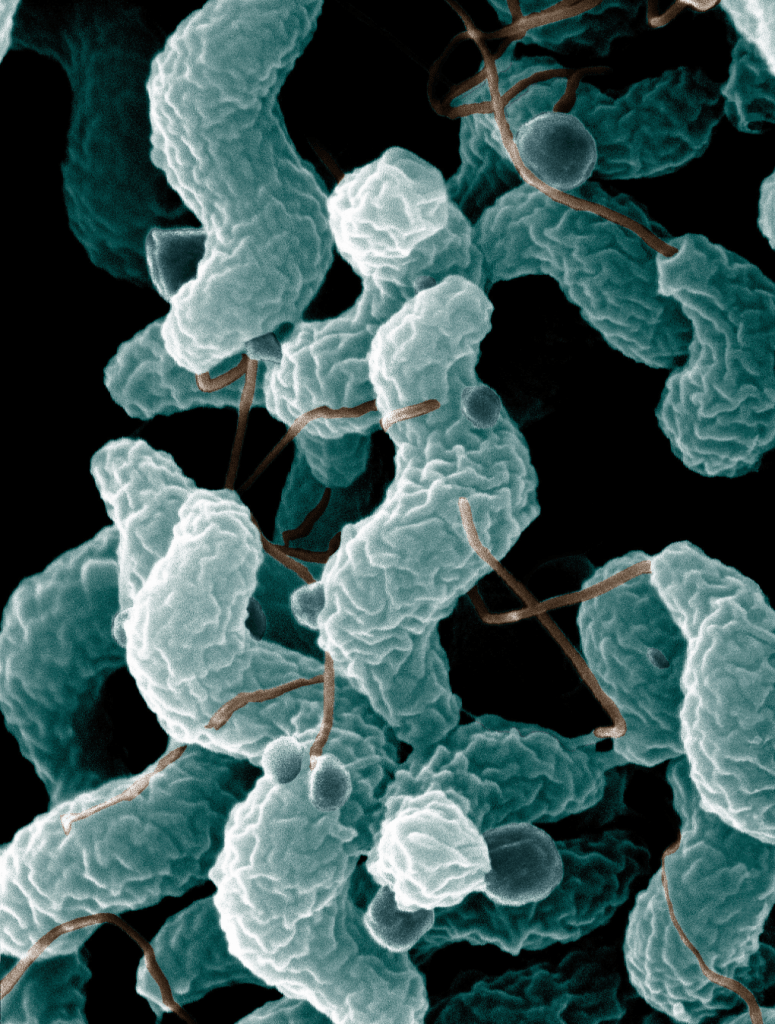
Campylobacter species are a common cause of food-borne diarrhea and they have been found to be resistant to ciprofloxacin and azithromycin. As a zoonotic pathogen, Campylobacter has a broad animal reservoir and infects humans via contaminated food, water or milk. The concern regarding the resistance of Campylobacter species is growing and Elhadidy and his colleagues sought to characterize the antimicrobial resistance of Campylobacter jejuni recovered from diarrheal patients, focusing on the underlying molecular mechanisms and genetic diversity of resistant strains. These researchers claim that “an increase in the resistance of Campylobacter to antibiotics has been reported worldwide. In addition, recent studies have also revealed that patients infected with antimicrobial-resistant Campylobacter species suffer a longer duration of diarrhea when compared with those who are infected with antimicrobial-susceptible strains”. They concluded that Campylobacter jejuni acquires resistance through mutation and horizontal gene transfer and the appearance of these resistant strains is a significant public health threat. Investigations into the mechanisms and implications of Campylobacter resistance will persist due to the number of unknown factors that come into play at the microbial level.
According to our textbook, many organisms are developing resistance to antimicrobials and the situation has become so severe that the CDC published a document titled Antibiotic Resistance Threats in the United States. This document lists the most serious threats and categorizes them by level (urgent, serious, or concerning). Many factors that come into play when discussing the prevention of antibiotic resistance and many of them involve the responsibilities of physicians and their patients. Patients are instructed to carefully follow the instructions that accompany their prescriptions which includes taking the correct dose and completing the entire prescribed course of treatment. It is just as important for physicians to increase their efforts to identify the cause of infection to correctly prescribe the correct antimicrobial medication. Again, the prevention of antibiotic resistance is complicated and complex but research into specific resistant species and strains will continue to be conducted until we are able to hopefully one day eradicate microbes’ ability to become resistant.

 Lauren Page's Blog