In 1998, Dr. Andrew Wakefield published a paper in The Lancet, a highly regarded British medicinal journal, claiming an association between the Measles, Mumps and Rubella (MMR) vaccine and autism. The paper was “scientific garbage“. Dr. Wakefield’s study is covered in flaws, and to begin, his sample size was 12 individuals (11 of which were boys). His sample had apparently lived a relatively normal young life until they were met with some clinical and social deficiencies. The 12 individuals had lost communication skills and were experiencing some gastrointestinal problems like pain diarrhea and bloating. According to Brett Bricker and Jacob Justice, “the British Medical Journal published a special series on Wakefield’s findings, noting that 3 of the 9 children reported with regressive autism were not officially diagnosed, 5 children had preexisting conditions that were ignored by Wakefield, and patients were recruited through anti-MMR campaigners”. This fact alone absolutely ruins the validity of Dr. Wakefield’s study.
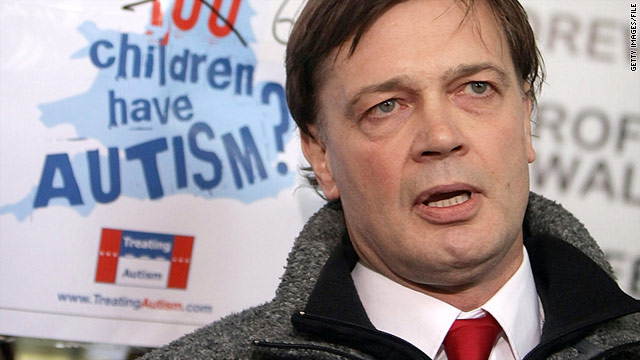
Other independent scientists conducted research and almost every individual was in disagreement with his association between vaccines and autism. Interestingly enough, there have been strong claims that Dr. Wakefield had immense financial motivation for the publishing of this work. For some, he is claimed to be a “scientific hero” (and by some I mean those involved in the anti-vaccination movement). In my opinion, this work should not have been published to begin with. In regards to herd immunity and infection rates, this claim made by Dr. Wakefield could eventually impact everyone in the world (can’t ignore the fact that someone at UNC currently has Mumps). After his findings were refuted by hundreds of scientists and doctors, it is hard for me to understand why some people still choose to not vaccinate their children, but maybe I’m missing something.
Much has happened in response to Dr. Wakefield’s “findings”, and this includes the number of Measles, Mumps, and Varicella infections and vaccinations around the world. Hundreds of thousands of children remain at risk for these illnesses due to the simple fact that their parents chose to not vaccinate them. Vaccination rates in the United Kingdom have recouped somewhat from their 80% low in 2003, but they are still beneath the 95% level suggested by the World Health Organization to guarantee herd immunity. For the first time in 14 years, in 2008 measles was declared endemic in England and Wales. These effects are not only being seen in the United Kingdom, after the publishing of Dr. Wakefield’s article in 1998, the entire world has seen and experienced the consequences of not receiving the MMR vaccine. In conclusion, Wakefield’s article linking MMR vaccine and autism was fraudulent. His findings were not backed with accurate or significant evidence and it seems that his motivations for his work were completely wrong.


